




Bring one unsold estimate to the Monday meeting
The least useful question to ask at a Monday sales meeting may be “Why didn’t they buy?” The homeowner is absent. The advisor is on the spot. Someone offers a familiar answer about price, the room nods, and the shop learns nothing it can use on the next call.
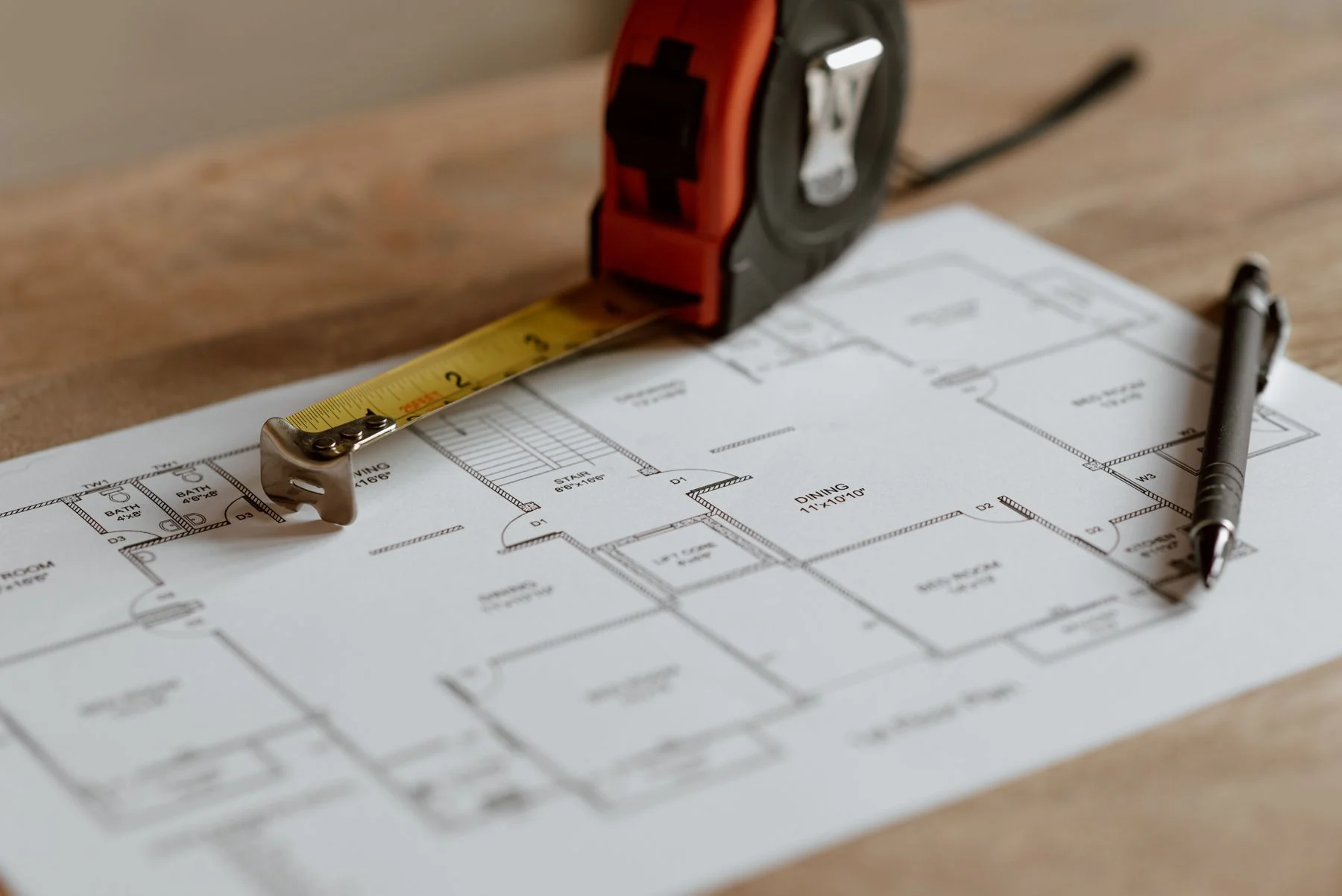
Take one open replacement estimate instead. Choose a job old enough that the homeowner has had time to read it. Remove names, addresses, phone numbers and identifying photos. Give everyone the version the homeowner received. Keep the internal notes and the advisor’s account out of sight for the first five minutes. If several branches are bringing open jobs, first agree on how each branch counts a delivered estimate.
Five minutes with the page
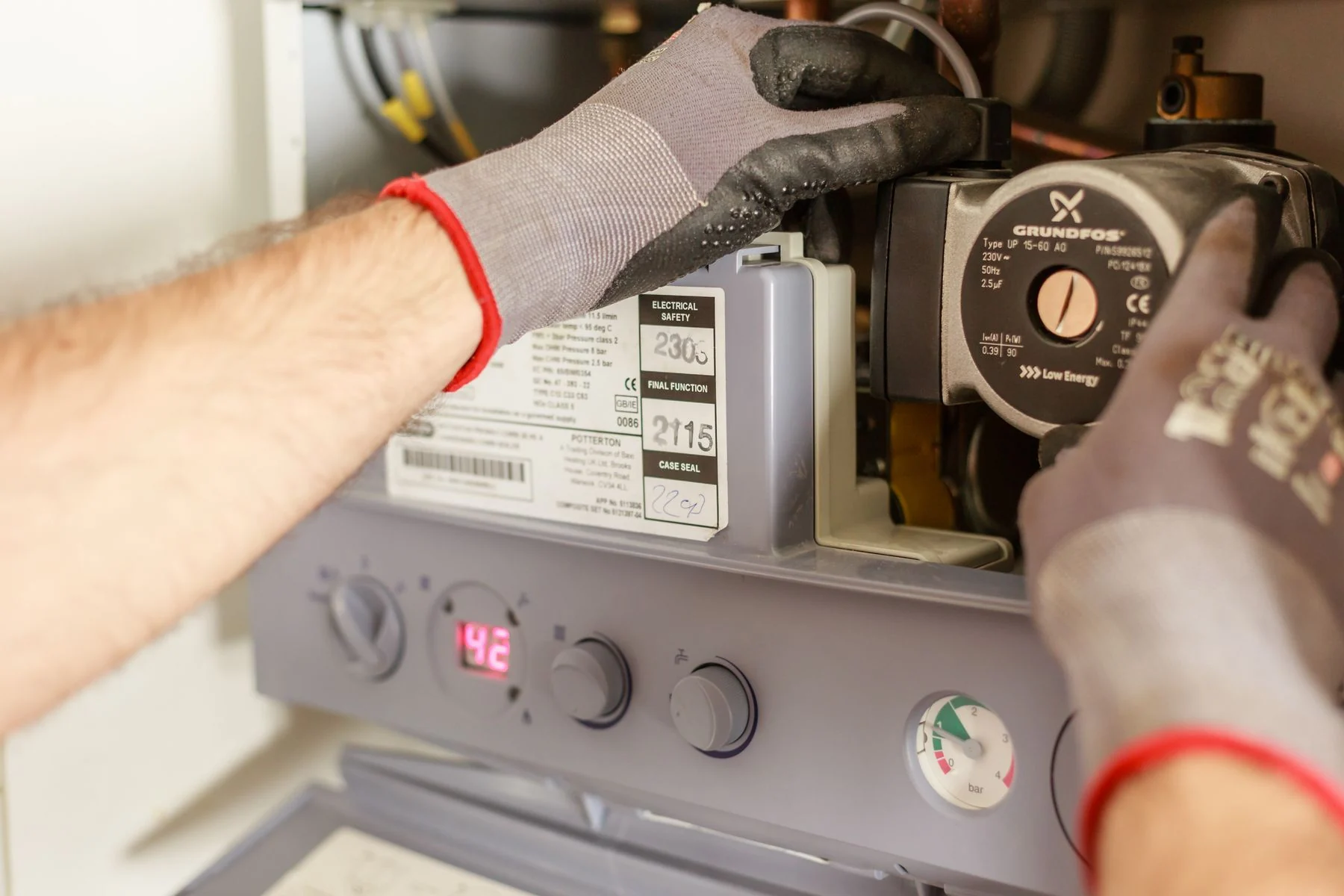
Ask the dispatcher, an advisor and an installation lead to mark three things independently. What work does the total buy? What remains unresolved? Who has the next move? Suppose the front page says “thermostat included,” an option description says “retain existing controls,” and the signature page accepts the proposal as a whole. The team now has a specific ambiguity it can fix regardless of why this customer has not signed.
Invite the original advisor to explain what happened. Perhaps the customer requested the old control halfway through the visit. The advisor edited the option but missed the summary. That explanation changes the fix. A new sales script would do little. The estimate needs a reliable way to carry a scope change into every place the customer reads it.
Five minutes to write a better version
Give one person the keyboard. In the sample job, the revised front page could say “Option A retains your present thermostat, subject to the compatibility check listed below. Option B includes the new control shown on page two.” Have someone else point to the price associated with each choice. If the team needs the advisor to explain it again, keep editing.
Borrow the small-test principle from the Institute for Healthcare Improvement’s guide to testing changes. Try the revision on a few comparable proposals before changing every template the branch uses. Decide beforehand what would count as improvement. Here it could be whether an office colleague can identify the correct control and installed price on the first read.
Five minutes to assign the next move
Separate the template owner from the person responsible for the open customer conversation. The first can fix future quotes. The second can decide whether the original customer would benefit from a corrected copy. If the homeowner asked to wait until Friday, honor the date. When you send a revision, identify the changed line and explain whether it affects price.
Mantel’s guide to rehash programs for unsold estimates is useful when open jobs move from the advisor to inside sales. For this job, the handoff should include the unresolved control question and the promised response. Next Monday, bring the old wording, the revision and what the next reader understood. A signed job would be welcome. A clearer document is an outcome the team can actually attribute to its work.
Once the homeowner accepts a revision, check the ServiceTitan sold-estimate handoff.




 Powered by Yolando